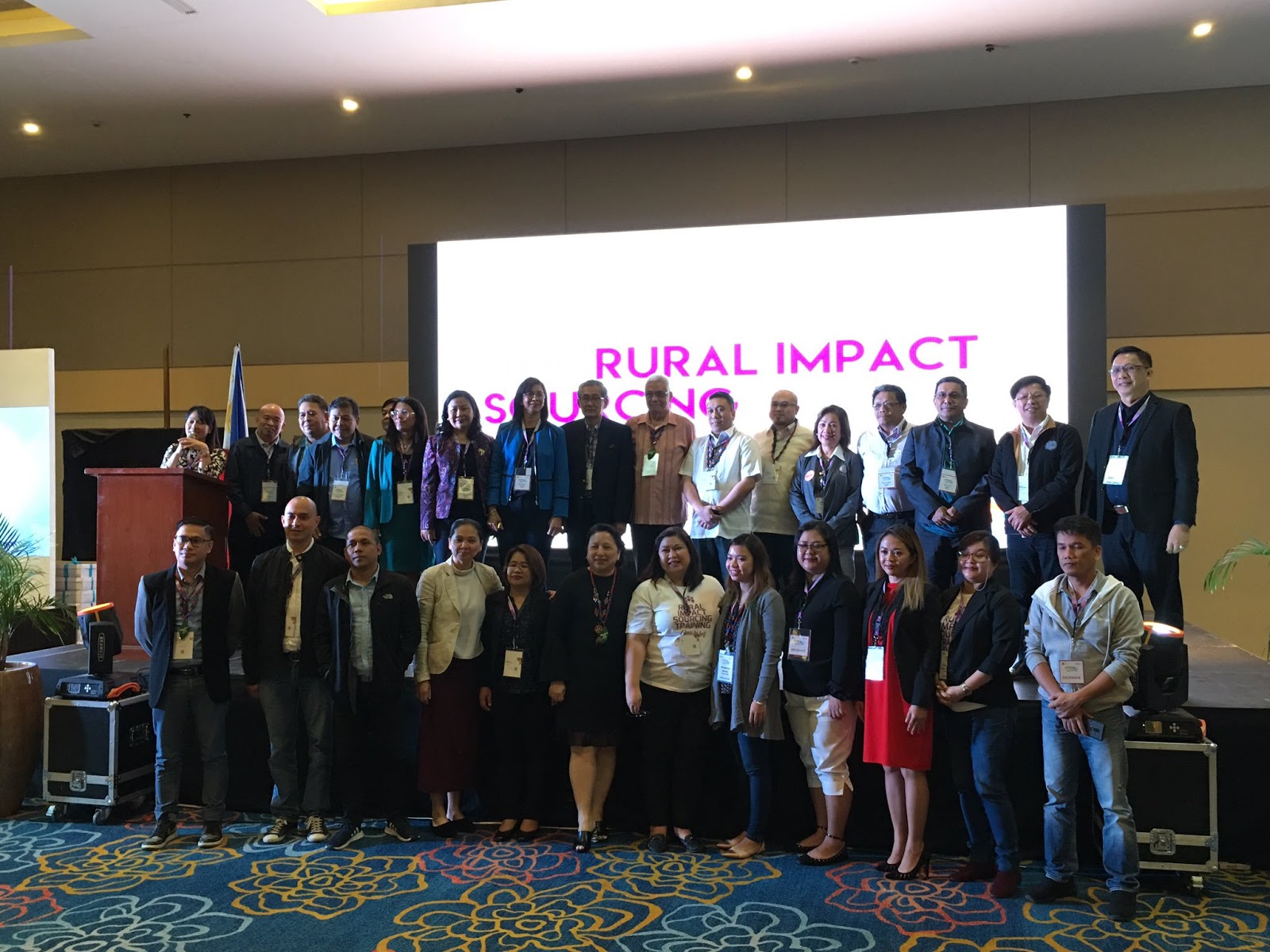
 Last July 16 and 17, I moderated 3 panels at the 3rd Philippine Impact Sourcing Conference (PISCON 2019) at Royce Hotel, Clark Pampanga.
The event celebrated what the Department of Information and Communications Technology (DICT), through its ICT Industry Development Bureau (IIDB), has achieved with its Rural Impact Sourcing Technical Training Initiative.
 I got the chance to moderate the RISTT graduates panel for the past two years where they share their journey from challenges to success stories.
Moderated 2 breakout panels as well that focused on getting jobs at online freelancer platforms, the importance of certification, and assessment.
The breakout panels gave us the opportunity to learn from various personalities passionate in helping freelancers grow through personal advocacies.
Great insights from Julia Jasmine Sta. Romana, MK Bertulfo, Marvin De Leon, and Jason Dulay. From the audience, we also learned from Liberty Baldovino, MJ Bravo, Alexis Vida Lim, Roger Anthony Apostol Ines, among others.
During the panel introduction, I shared 10 reasons why the RISTT initiative is gaining momentum and continuing success.
In the past two years, a total of 1,832 individuals were trained by the program from 94 key locations in the Philippines.
The chosen areas are those not qualified yet as "Next Wave Cities" where potential BPO locators would go to.
Developing ICT manpower skills in these areas are intended to help them find jobs online and some eventually form their own companies, organization, cooperatives. All with the intention of sustaining what they have started.
RISTT / DigitalJobsPH 2019 Targets

The project is set to train 2,112 Filipinos this year under its rebranded digitaljobsPH program (formerly Rural Impact Sourcing Technical Training).
#2. The Project Creates a Supportive Climate For Its Scholars
The DICT leadership, from national to local, has been consistent in reminding students/graduates of their duty to give back and train more people who can benefit from the skills and opportunities they were able to gain as a result of the program.
The DICT, LGU, partner organizations began tapping graduates to also conduct talks and workshops to help train more local constituents.
Facilities such as DICT's RIS Hub & Tech4Ed were also helpful to graduates who don't own computers yet. They use these facilities to look for projects online and serve clients.
#3 The Project Identifies Scholars Thoroughly
Aspiring program scholars go through a thorough application process that includes testing and interview.
Priority is given to the unemployed, new graduates, returning OFWs, homemakers, part-time workers, person(s) with a disability, and retirees.
The screening helps in the filtering and give the scholarship slot to those who want, need, and willing to commit for its completion.
Priority is given to the unemployed, new graduates, returning OFWs, homemakers, part-time workers, person(s) with a disability, and retirees.
The screening helps in the filtering and give the scholarship slot to those who want, need, and willing to commit for its completion.
#4 The Project Nurtures Potential ICT Leaders
To further support the graduates after program completion, the DICT encourages its graduates to self-organize and come up with its own project initiatives where they can help each other and give back to the community.

Some formed companies, organization, and cooperatives.
One of the most inspiring ones is Digiworkz Carmona. This is a cooperative initiated by graduates from the RISTT batch 1 Carmona class.
They give training, whether pro bono or funded to local constituents. They also seek out project opportunities and members work on completing them.
Last PISCON 2019, the Filipino Online Professionals Service Cooperative - FOPSCo. was also launched. The movement is composed of DigitalJobsPH (RISTT) trainers, graduates, and freelancers from various parts of the country.
#5 The Project Equips Scholars
The training programs include e-commerce & digital marketing, graphic design, web development, social media marketing, virtual assistant, search engine marketing, and content writing.
This means the graduates are well equipped and can proudly show their completed class task work as a portfolio. It reflects the hard work they went through to become skilled and qualified to earn their completion certificate.
#6 The Project Develops Potential Leaders
Through this project, the DICT has identified numerous trainers in the countryside to teach its various training modules and help the students/graduates find online job opportunities.
Most have continued with their advocacy and created programs to sustain the initiative. A good number of them are also supported by the DICT local cluster.
The DICT is also tapping experienced and qualified RISTT graduates as trainers.
#7 The Project Will Lead To New Generation of Rural BPO Leaders/Owners
For a program to reach its full potential, DICT's commitment to this is for the long term. As a result, the project gains are visible and measurable.
For example, rural BPOs started forming in the first year of RISTT from its trainers and graduates in certain areas. Actively getting clients and gradually growing their team.
Growth is escalating - slowly but surely.
#8 Strong DICT & Partners Teamwork
This project would not have grown without the hard work of everyone involved especially at the LGU, local ICT council, DTI, DICT cluster, and provincial directors.
The continuous briefing, updating, training, teamwork, and occasional coaching of everyone involved make every challenge a welcome opportunity for growth.
#9 Partners Give Value To The Project
Partners in this project contribute their resources to make it a success.
This includes trainer related expenses, venue, food, computers to be used, Internet connectivity, among others.
The availability of these resources and support especially during the 21-day marketing campaign period was a difference-maker.
#10 DICT Reproducing Rural Countryside ICT Leaders
As the initiative paves way for trainers and graduates to level up, the impact of their initiatives usually results in empowering people from other areas too.
Unlike in the usual setup where ICT Leaders usually come from urban areas, this project is giving form to new ICT Leaders motivated in making difference in their rural community.
The rise of new countryside ICT Leaders is what can help make initiatives such as RISTT/DigitalJobsPH continuing success leading to more online jobs, Rural BPOs, startups, cooperatives, among others.
(source of photos: DICT Twitter account)


